In today's fast-paced work environment, ensuring safety is paramount. Automated access control systems offer a modern solution to enhance worksite safety by managing who can access certain areas. This blog will explore the various ways automated access control can create a safer workplace for everyone.
Automated access control refers to the technology that allows organizations to control who enters and exits the worksite, ensuring that only authorized personnel gain access.
This technology often employs electronic keypads, RFID cards, or biometric scanners, making it not only efficient but also secure. Each of these methods enhances workplace security by making unauthorized access significantly more difficult, creating a fortress-like environment that's hard to breach.
Furthermore, with detailed logs of who accessed specific areas, businesses can analyze data to improve security. Such information is invaluable, especially in high-risk environments, where every entry and exit can be essential for maintaining safety.
These systems provide a higher level of security by using key cards, biometric scanners, and remote monitoring to prevent unauthorized access. Each of these components plays a role in creating a multi-layered security approach, ensuring only vetted individuals can enter sensitive areas.
With remote monitoring, security personnel can oversee all access points in real-time. This capability facilitates quick responses to any suspicious activity, ensuring that swift action can be taken if someone's attempting to breach security.
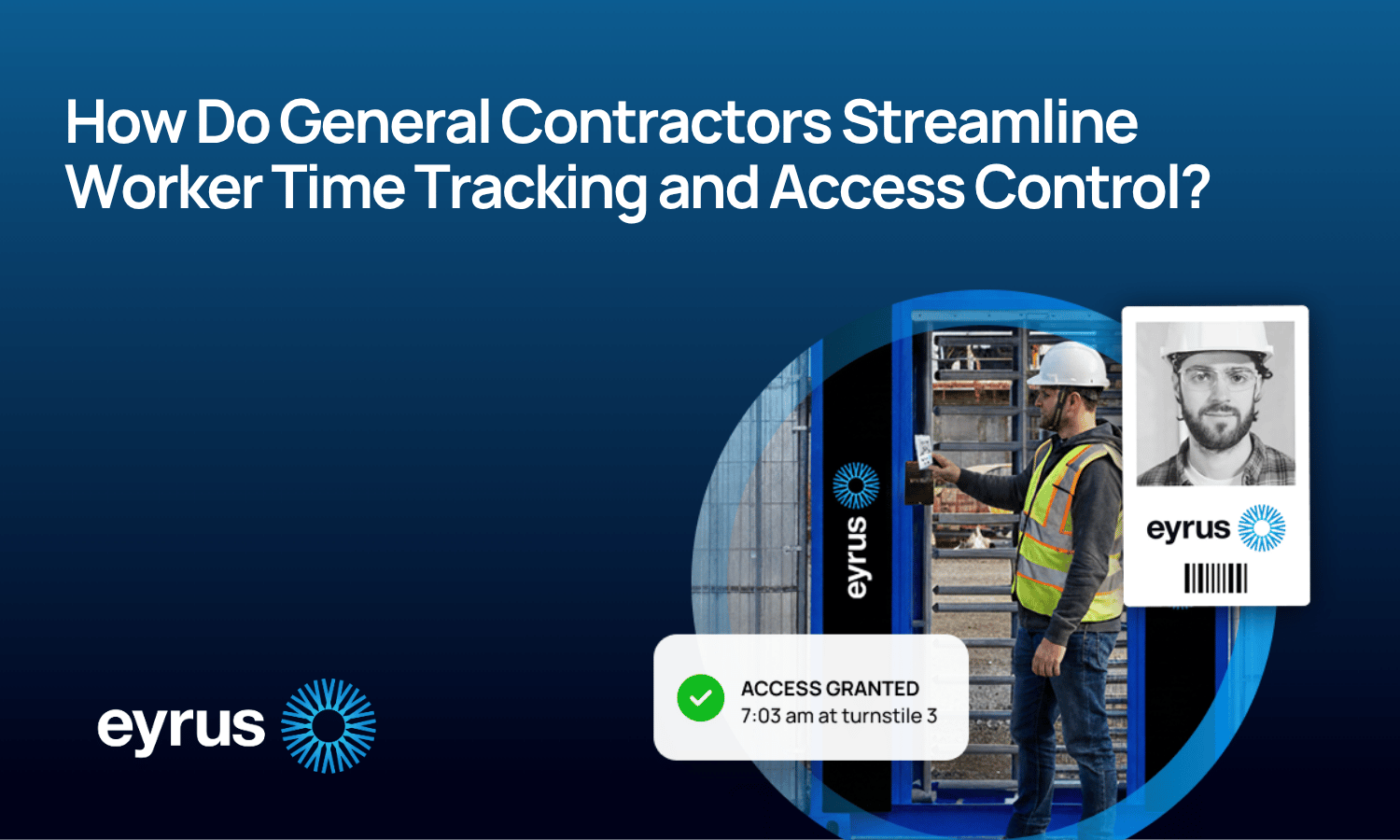
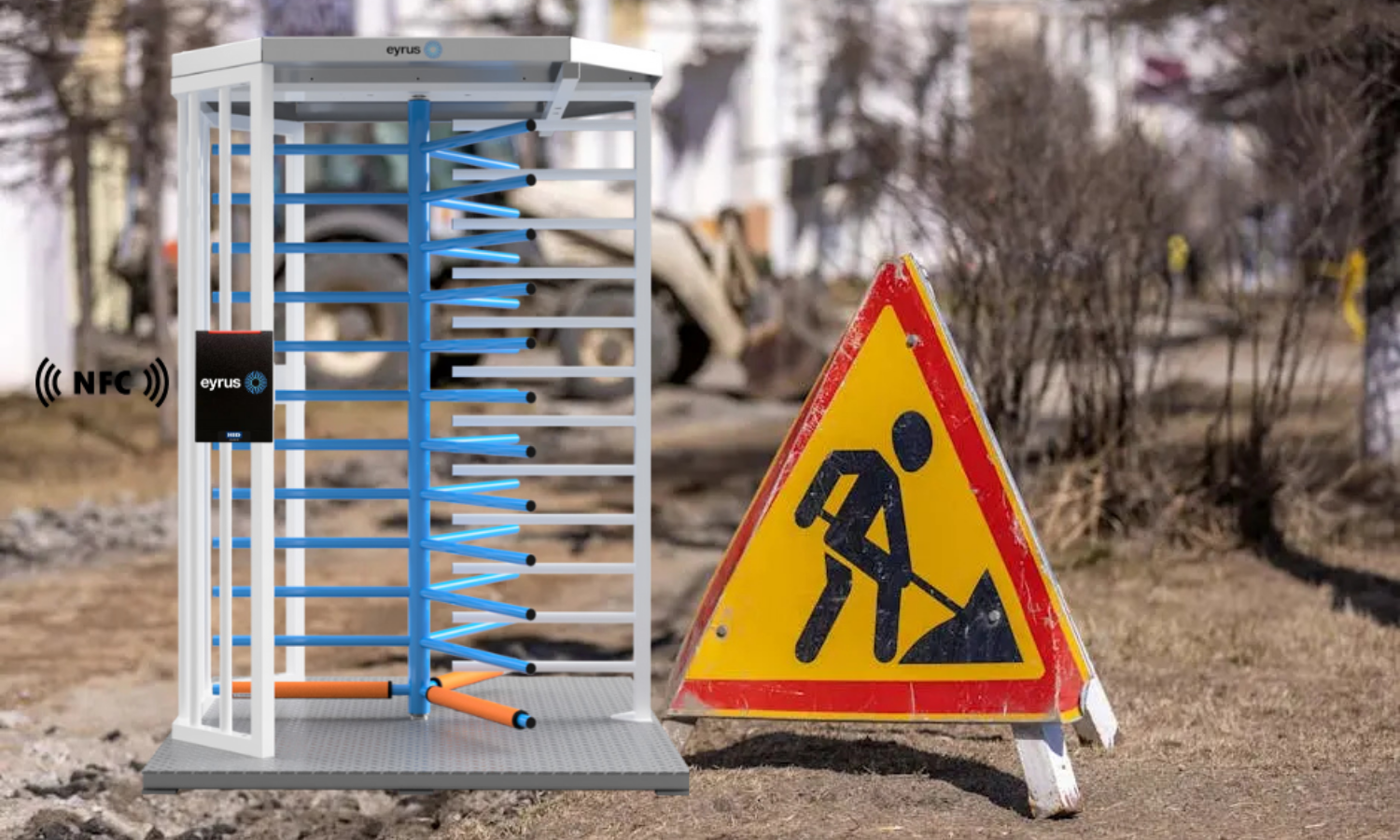
Additionally, the implementation of automated gates and turnstiles, which only open for authorized personnel, adds another effective barrier against intruders. When security is the priority, the integration of technology in access control systems is a step in the right direction.
Automated systems eliminate the potential for human error, such as forgetting to lock doors or misplacing keys, thereby enhancing overall safety. By automating access permissions, companies minimize risks associated with manual processes.
The reliance on technology means that mistakes, which often lead to costly breaches, are less likely to occur. For instance, if all access is controlled digitally, there’s no more need for physical keys that can be lost or duplicated.
Moreover, these systems can be programmed to lock doors automatically at specific times or when a designated personnel exits a fragile area, ensuring that even the most cautious employee won’t inadvertently compromise safety.
These systems often come with integrated monitoring tools that track access logs, making it easier to identify breaches and improve safety protocols. Monitoring capabilities provide real-time insights into who is on site and when.
Additionally, security teams can generate reports analyzing access patterns, which can reveal anomalies or unauthorized attempts to enter specific zones. These insights often lead to improved training for employees and fine-tuning of access policies.
From a broader perspective, consistent reporting can help identify security weaknesses in the infrastructure, allowing a business to proactively address potential vulnerabilities before they become serious issues.
Automated access control helps organizations comply with safety regulations by ensuring that only trained and certified individuals can access potentially hazardous areas. Compliance goes beyond just having rules; it’s about enforcing them effectively.
By employing automated systems, companies can easily manage certification statuses and licenses, preventing unqualified personnel from entering high-risk zones. This level of diligence is crucial, especially in industries where safety is heavily regulated, such as construction or manufacturing.
As a result, businesses not only protect their employees but also mitigate legal liabilities. Accurate access records can serve as proof of compliance during audits or inspections, fostering a culture of transparency and responsibility.
By integrating automated access control systems, companies can significantly reduce safety incidents and create a more secure environment for their employees. The benefits of these systems not only promote safety but also streamline operations and improve compliance with regulations.