Starting January 1, 2026, Oregon’s construction industry will operate under a fundamentally different risk model.
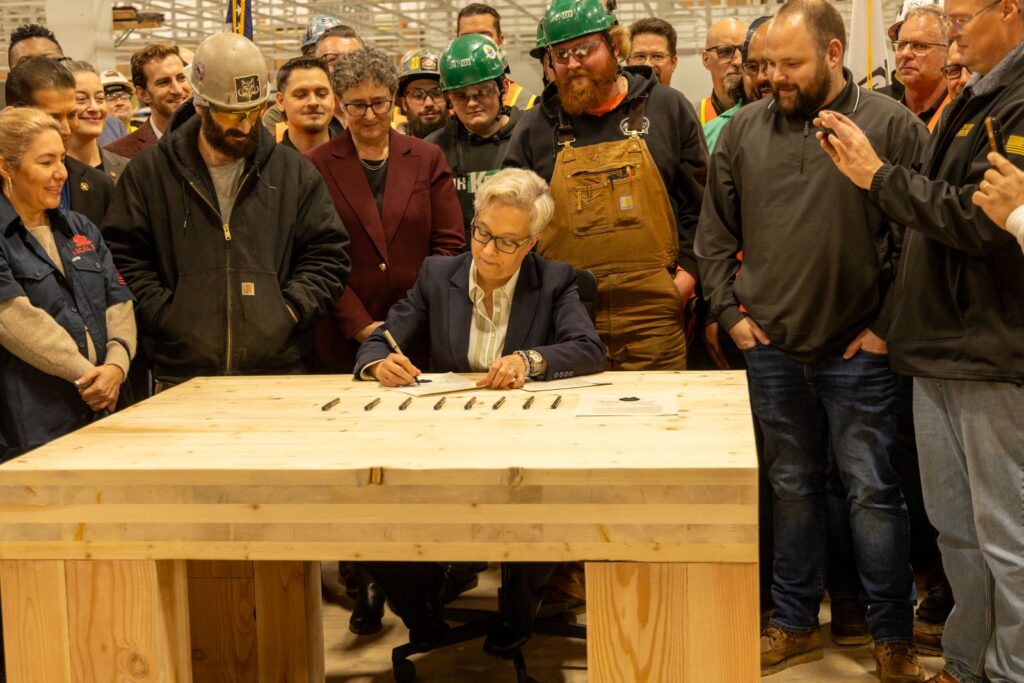
Oregon Senate Bill 426 (SB 426) expands wage liability beyond employers and places new legal responsibility on property owners and general contractors for unpaid wages owed to subcontractor employees — even at lower tiers.
For owners and GCs, this law isn’t just a compliance update. It’s a shift in how workforce risk must be managed on every jobsite.
This article breaks down what SB 426 requires, why traditional approaches fall short, and how modern workforce visibility platforms like Eyrus help contractors and owners adapt.
SB 426 establishes joint and several liability for unpaid wages in construction.
In practical terms, that means:
The law is designed to combat wage theft, but its operational impact extends far beyond payroll.
SB 426 applies to:
Certain small owner-occupied residential projects are exempt, but for most owners and GCs working at scale, SB 426 squarely applies.
Historically, owners and GCs managed labor risk through:
SB 426 makes that approach insufficient.
Under the new law, owners and GCs are liable regardless of intent or direct control. That creates a gap between legal responsibility and operational visibility:
Closing that gap requires better data, not better contracts.
Certified payroll is still important — but it only tells part of the story.
Payroll systems typically cannot answer:
In a wage claim, those questions matter. SB 426 increases the likelihood that owners and GCs will need to defend claims with proof, not assumptions.
Eyrus is not a payroll system. It is a workforce visibility and verification platform designed for construction jobsites.
Under SB 426, that distinction matters.
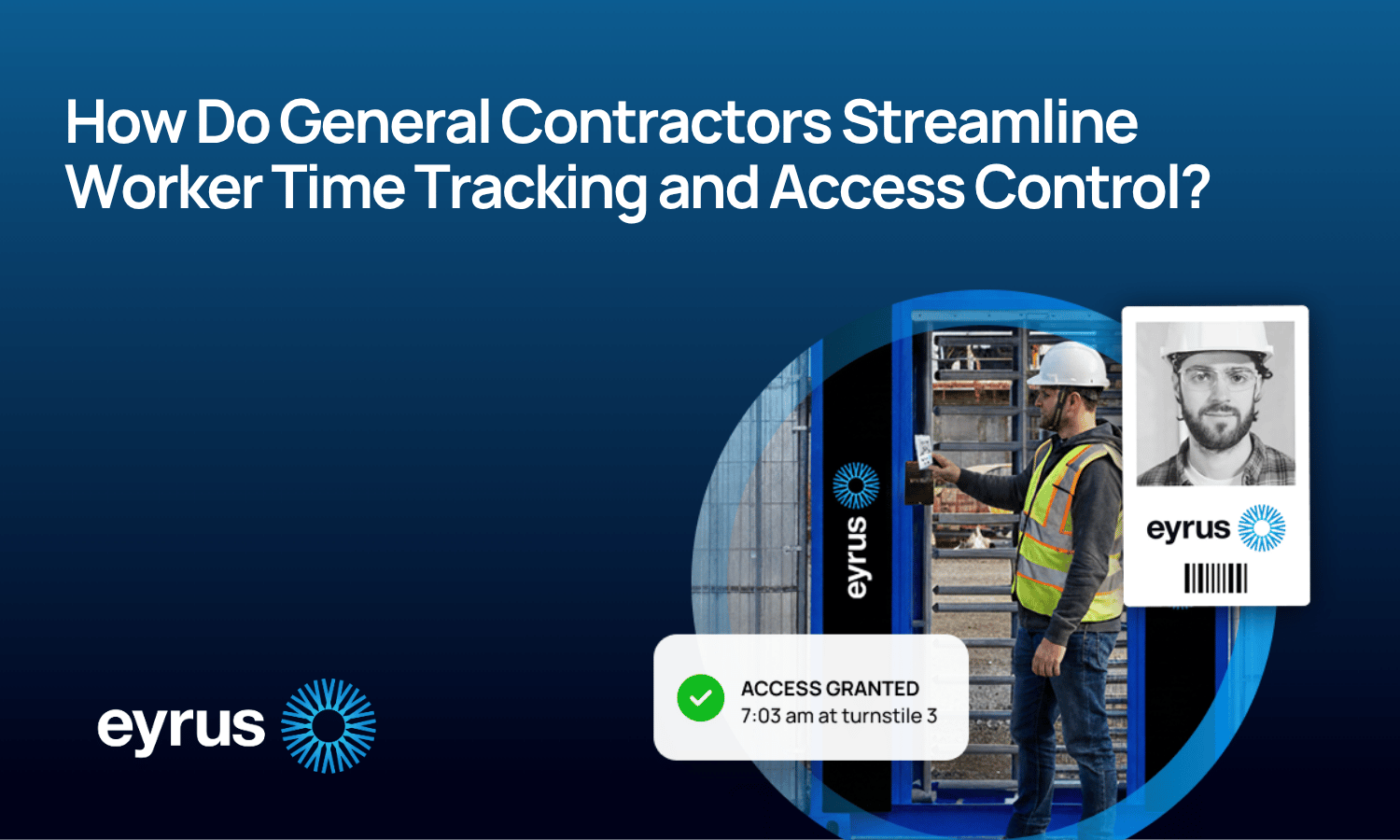
Eyrus ensures that every worker on site is:
This creates a defensible record of who was authorized to work, for whom, and when.
Eyrus provides:
If a wage claim arises, owners and GCs can quickly determine:
SB 426 allows owners and GCs to request workforce records from subcontractors.
Eyrus centralizes:
This reduces reliance on email chains, PDFs, and manual record chasing — especially during a notice-and-cure window.
Because Eyrus provides visibility across all subcontractor tiers, teams can:
That allows corrective action before issues escalate into claims.
SB 426 doesn’t stop at the GC level. Owners are now directly exposed.
As a result, many owners are beginning to:
Platforms like Eyrus are increasingly becoming conditions of award, not optional tools.
SB 426 makes one thing clear:
You can’t manage construction labor risk with contracts alone.
Owners and GCs need:
Eyrus helps teams meet those needs by turning workforce data into a defensible system of record — reducing uncertainty, exposure, and disruption.
SB 426 raises the stakes, but it also rewards contractors and owners who invest in visibility and accountability.
The question isn’t whether risk has increased — it has.
The question is whether your jobsite data is strong enough to protect you when it matters.