Construction worksites can be bustling hubs of activity, but they can also pose significant risks if not properly managed. One crucial aspect of ensuring safety on these worksites is worksite access control. In this post, we'll explore why effective worksite access control and management is vital in creating a safer environment for everyone involved—from workers to visitors.

Worksite access control involves regulating entry and exit points to a construction worksite. This practice is essential for minimizing hazards and ensuring that only authorized personnel are present on-worksite.
Think of a construction worksite as a delicate ecosystem, where the flow of people and vehicles needs to be meticulously controlled. By limiting access, we not only secure the worksite but also protect the individuals who work there. Whether you’re a worker, a supervisor, or a visitor, knowing who’s on-worksite and why is fundamental. It’s this familiarity that fosters a sense of security and accountability.
Moreover, clear signage and designated pathways can guide individuals on and off the worksite, reducing confusion and potential accidents. Effective worksite access management is about creating a comprehensive plan that addresses who is allowed entry and under what conditions. This attention to detail can significantly enhance safety.
Effective worksite access control includes identifying entry points, employing security personnel, utilizing access control technology, and developing clear policies for worksite entry. Each of these components plays a role in maintaining safety.
To delve deeper, let's consider the role of security personnel. Having trained guards stationed at access points serves as a reassuring presence. They are not only tasked with checking credentials but also with monitoring the overall activity on-worksite. This vigilance can deter unauthorized access and enable a quick response in case of incidents.
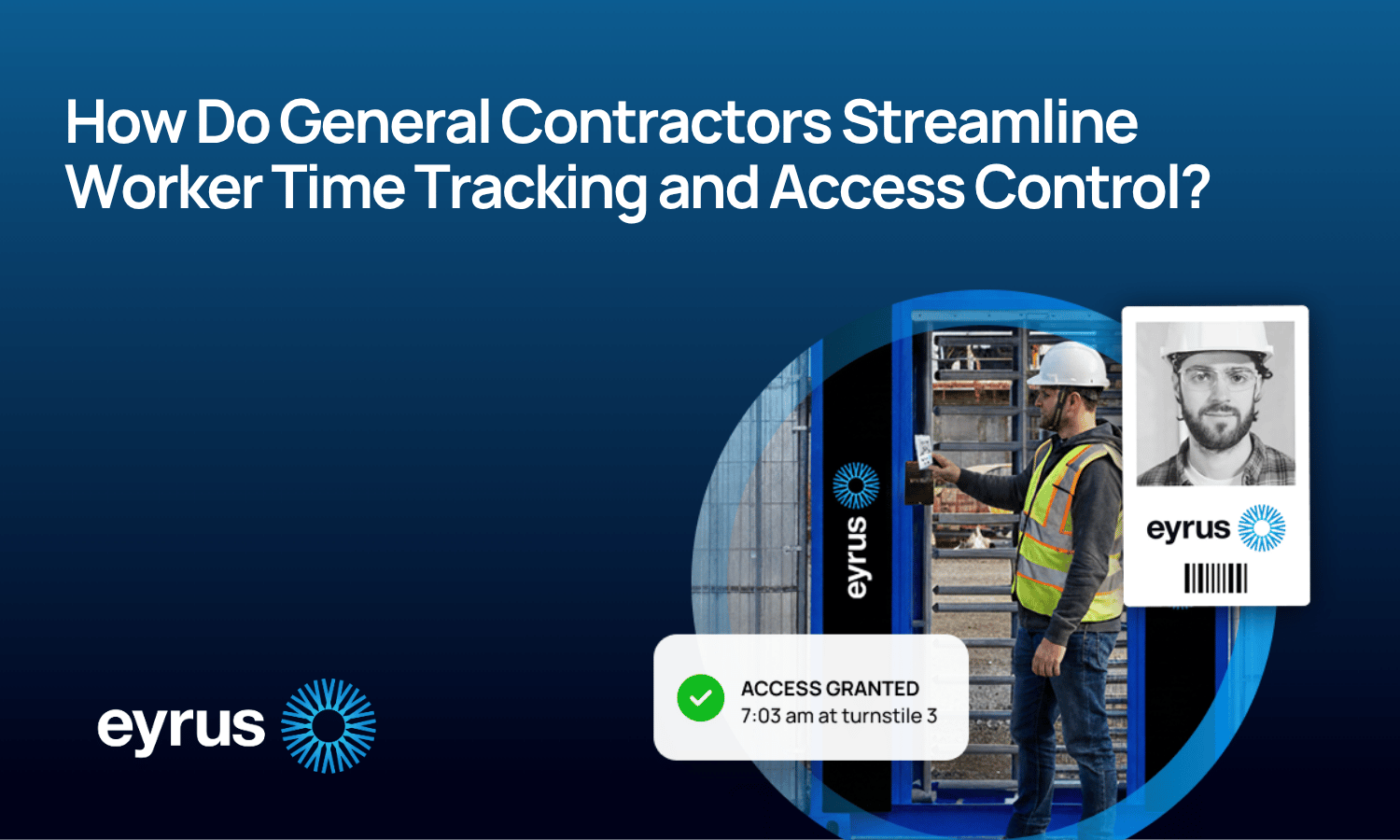
Technology further enhances these efforts. From ID badges to RFID tags, the advancement of access control technologies has revolutionized how worksites manage entry and exit. Real-time data reporting ensures that worksite managers are always aware of who is present, reducing the risk of unaccounted individuals in potentially hazardous areas.
Implementing robust worksite access control reduces the risk of unauthorized access, which can lead to accidents and injuries. Moreover, it fosters a culture of safety and accountability among workers and management.
A significant benefit of worksite access management is the reduction of accidents. When only trained personnel are allowed on-worksite, the likelihood of mishaps diminishes dramatically. Imagine a scenario where a visitor inadvertently walks into a restricted area; without proper worksite access management systems in place, this could result in serious consequences.
Furthermore, a culture of accountability can emerge when everyone knows the rules. When workers recognize that their movements are monitored, they are likely to adhere to safety protocols more diligently. This shared understanding of responsibility cultivates an environment where safety becomes everyone's priority.
The use of technology, such as mobile apps and biometric scanners, can streamline the management of worksite access. These tools help monitor who is on-worksite at any given time, enhancing safety protocols.
For example, mobile applications can serve dual purposes—providing necessary information to authorized personnel while tracking their entry and exit in real time. This not only simplifies the process for on-worksite managers but also provides instant safety audits and reports.
Consider biometric scanners, such as fingerprint or facial recognition systems. These methods ensure that only authorized personnel can enter specific zones, reducing the risk of unauthorized visitors and enhancing worksite security. The integration of such technology pairs well with traditional methods, creating a comprehensive approach to safety.
Training employees on access protocols and effective communication between team members are critical. Ensuring everyone understands the importance of worksite access management can lead to a safer work environment.
Workshops and regular briefings can reinforce protocols, ensuring that even new hires are on the same page. Everyone from foremen to interns should be trained to recognize the challenges associated with unauthorized access. The goal is to create a united front where safety is a shared commitment.
Additionally, open channels of communication allow workers to report any suspicious behavior or potential access violations immediately. These systems empower individuals to play an active role in maintaining safety, reducing the burden on management alone.
In summary, worksite access management is more than just a logistical necessity; it's a fundamental aspect of ensuring safety in the construction industry. By effectively controlling who enters and exits the worksite, implementing robust communication strategies, and leveraging technology, construction companies can significantly reduce accidents and enhance overall worksite safety.